Types of Rest to Restore
Types of Rest to Restore
Rest Is More Than Sleep: 10 Ways for Mind & Body
Sleep is one of the most important ways our bodies recover, yet it isn't the only kind of rest we need. To find the rest that is right for you, it’s essential to know what part of you needs to recover. Feeling tired can come from being overwhelmed mentally by constant decisions, emotionally drained from holding everything together, socially exhausted from too much interaction, or overstimulated by screens and notifications. The next time you're feeling tired, instead of automatically thinking about a nap, ask yourself what kind of tired are you? This article will explore the different types of rest to restore.
1. Physical Rest
Physical rest is to give your body the time it needs to recover from the demands of everyday life.
Sleep is the foundation. Most adults need around seven to nine hours a night, although individual requirements vary. Not sleeping enough can affect concentration, mood, metabolism, cardiovascular health and overall wellbeing. Medical research strongly supports the importance that healthy sleep has on both physical and mental health.
Yet physical rest doesn't only mean going to bed. Your body will also benefit from periods of gentle rest throughout the day. If you've been sitting at a desk for hours, then some gentle stretching or a short walk may feel more restorative than continuing to sit still. After strenuous exercise, you may need a quieter day rather than more intensity. Soft movement, lying down for ten minutes, a warm bath, a sauna or a massage are all ways to physically rest.
Listen to your body, to understand what it needs, rather than pushing through tiredness.
2. Mental Rest
Mental rest is to give your mind the time it needs to recover from the demands of everyday life.
In our modern fast paced demanding world, we don’t get much time to switch off our brains. Outside of work, you may continue to stimulate your cognitive brain by scrolling on social media, checking emails, doing home admin, planning, making decisions, problem solving, and multi tasking. This cycle of mental stimulation is equally exhausting as physical activity.
Mental rest is stepping aside from cognitive workload. To lesson mental overwhelm, take a tip from mindfulness practice and focus on one task at a time, rather than darting from one thing to another. Separate larger cognitive tasks into blocks of time across your day, with intentional pauses in between to decompress mentally. And if your head is spinning, try writing your thoughts down, as a way to get it out of your head and onto paper. Another really effective way to get out of your head is by switching from left brain to right brain activities e.g. body awareness, creativity, meditation etc. More to come on those.
Your brain doesn't need another productivity technique or way to max out your day. It simply needs moments of pause.
3. Emotional Rest
Emotional rest is to give your emotions the time they need to be acknowledged and expressed.
Emotional exhaustion is harder to recognise from the outside as you go into autopilot, telling everyone you are ok, working, caring for others, in your normal routing, being your usual self, and looking like you are coping. Typical British grit with a stiff upper lip. Yet constantly pushing your emotions away or avoiding how your truly feel can be exhausting. Emotional rest is to be honest about how you feel. To say to yourself, I feel overwhelmed right now and I am not coping. To let your emotions be expressed, even when you do not have a way to ‘fix’ how you feel.
Being honest with yourself can lead to being honest with those around you, to ask for support or to set boundaries. Create space for your own self care. Can you take time to sit with whatever feelings you are feeling right now, to acknowledge them, to express them?
It can be helpful to seek the services of a professional talking therapist, to help you express through your emotions in a safe way. Somatic practices are also effective ways to help express and release feelings that are deeply held within the body. Look out for somatic Qigong!
4. Sensory Rest
Sensory rest is to give your senses the time they need to recover from the demands of everyday life.
Consider the volume of information your senses process every day. From sight, sounds, touch, taste, and smell. It can be overwhelming and exhausting to process your sensory experience in a demanding life and over stimulating world.
Sensory rest is to reduce the amount of input. With noise this could be from your phone or PC notifications, music, TV, talking, traffic etc. Visually this could be screens on your phone, tablet, laptop and TV screen. Social media is awful for this deluge of sensory over-stimulation!
Consider silencing unnecessary phone notifications, especially social media. Plan pockets of sensory rest such as beginning your day without reaching for your phone, or in the evening before you go to bed, take time out for half an hour and create an ambient environment with dimmed lights and no distractions. During the day, when you can, take a few minutes of silent and stillness by pausing without visual or audible external stimulation.
5. Social Rest
Social rest is to give your whole being the time it needs to recover from the demands of everyday human interactions.
This does not mean to just simply avoid people. We are social creatures that thrive on social relationships, which has been backed my medical research to improve health and longevity. Yet some social interactions leave us feeling drained or emotionally spent, whilst some make you feel great. Choose your social interactions wisely, and take time out when you need to recharge.
6. Creative Rest
Sensory rest is to step away from the left / cognitive brain experience, which we are all dominant in, and to shift states into the right / creative brain experience, to recover from the demands of everyday life.
Your creative right brain can be found in art, music, meditation, playfulness, hobbies, interests, reading, writing, exploring, visiting etc. Stepping aside from the brain that collects things, anticipates results, and seeks outcomes. And just being in your mind and body to experience joy, curiosity, excitement, pleasure and ease.
Whether you are good at something or not does not matter, whether you spectate or participate doesn’t matter. Find space to be creative in any way you choose!
7. Spiritual Rest
Spiritual rest is to give your whole being the time it needs to create meaning in everyday life.
This is purely individual, from religion, philosophy, faith, worship, belief, meditation, mindfulness, gratitude, prayer, mantra, reflection, stillness, or being in nature etc. There’s not a right or wrong way. It’s about finding a meaningful practice that helps you step aside from the demands of everyday life. Mindfulness and meditation have been extensively researched, with studies finding potential benefits for anxiety, depression and psychological stress.
8. Nature Based Rest
Nature based rest is to spend time in the natural world outdoors, to recover from the demands of everyday life.
A very simple and accessible way of reconnecting with yourself through presence. To walk through a forest, spend time in your garden, or sit under a tree in your local park. To appreciate the beauty around you, to feel the earth beneath your feet, to sense into the sky above. Being immersed in nature is good for the soul. Research into nature exposure has found associations with reduced stress and improved wellbeing.
9. Stillness Rest
Stillness rest is to give your mind and body what it needs to pause the demands in everyday life.
Stillness practices like meditation are a way to step aside from the monkey mind. To pause the constant thinking, planning, decision making, internal narrative, replaying and story telling. To ease the pressure that thinking about the past and future creates.
This is not about stilling the mind to that you are empty of thoughts, as it’s not possible. It’s developing the skill or letting thoughts go by, not following them, nor reacting to them. To tame the mind like a naughty child, and say “not right now, I’ll be back in 30 minutes”.
Practices like guided meditation, mindfulness, body scanning, or breathwork. There are thousands of methods that all lead to the same point. Take time out of your day whether 2 minutes, 10 minutes or more. Create space between yourself and the demands of life, a sanctuary you can return to anytime you need to just be still.
10. Movement Rest
Movement rest is to give your mind and body what it needs to recover from the demands of everyday life.
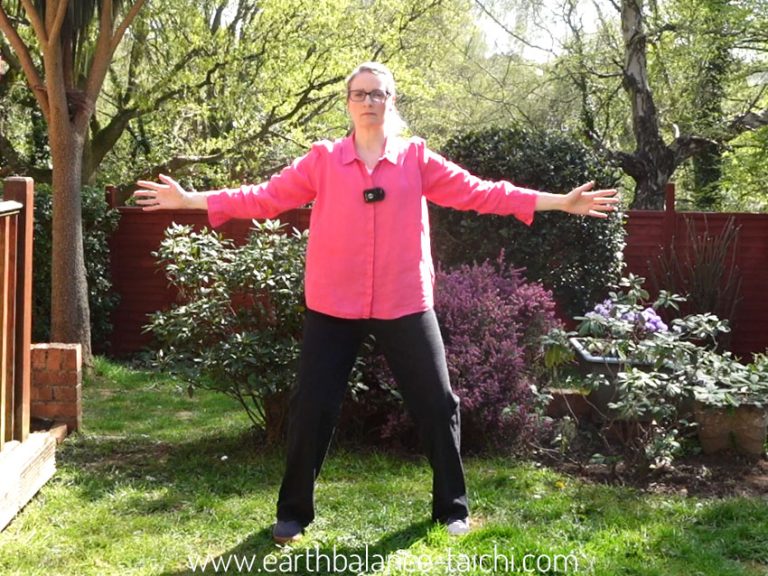
Consider that rest and movement are not opposite, rest does not have to mean being still. This is not about high intensity, gym mentality or the pressure to do more or push harder. Sometimes the body begins to relax when we move slowly, breathe deeply and bring our awareness inwardly. Gentle movement can be a profound way to actively rest when you are tired. Activities such as gentle yoga, Tai Chi, Qigong, mindful walking, somatic movement, moving meditation, and gentle mobility exercises. Moving mindfully, softening the breath and feeling into your muscles and membranes with awareness, is much more restorative and energising than intense exercise. You will benefit both physically from the physical release that slow movement can provide, along with the psychological wellbeing benefits when you slow down and pay attention.
Types of Rest to Restore - Bringing Rest Into Movement: Tai Chi and Qigong
I am biased!
Tai Chi and Qigong combine slow, controlled movements, breathwork, and presence. Rather than pushing the body to its limits, the emphasis is on moving with awareness and allowing the pace of the practice to slow you down.
Tai Chi and Qigong bring several of types of rest together. The gentle movements can provide physical release, the coordinated breathwork fosters relaxation, and the focus required can give the mind a break from constant thinking and distraction. If you practice outdoors, this also adds the calming benefits of spending time in nature.
Research into Tai Chi and Qigong has explored their potential to support stress, anxiety, sleep, balance and overall wellbeing. While the quality of evidence varies between studies and neither practice should be considered a cure or replacement for medical treatment, research suggests that these gentle mind-body practices may be useful additions to a healthy approach to managing stress and supporting wellbeing.
What makes them particularly relevant to the modern understanding of rest, is that you don’t have to stop completely to be able to rest and recover. Sometimes what we really need is to slow down on purpose, to help us get out of our heads in a healthy way! These practices give your mind and body permission to settle and just be.
Tai Chi and Qigong are not focused on fitness, achievement or performance. Yet, they can if you want them to! Instead, I encourage everyone to use the practices as a way to deeply re-connect with your authentic self. The real lesson is that it isn’t always about doing less.
- Instead of pushing harder, soften
- Instead of rushing, slow down
- Instead of constantly looking ahead, pay attention to the present moment.
Instead of waiting until your body is exhausted before stopping, you can learn to recognise what your body and mind needs, and respond with grace.
For many people, Tai Chi and Qigong can become a simple way of incorporating moments of restorative pause into everyday life, a few minutes to move, breathe and reconnect. Rest doesn't always mean stopping, how about moving through life at a gentler pace.
Types of Rest to Restore - Reference
The idea that we need different forms of rest, rather than simply more sleep, was developed most notably by physician Dr Saundra Dalton-Smith through her 'seven types of rest' framework: physical, mental, emotional, sensory, social, creative and spiritual rest. Her book 'Sacred Rest' sets out those seven categories. It's an exceptional book and very well researched. I encourage everyone to read it! Visit www.drdaltonsmith.com for details. I have expanded on her concept here in this blog post, by exploring three additional forms of rest and restoration with a holistic approach: nature based rest, stillness and movement.
Types of Rest to Restore - Medical Research
Physical
- PubMed — Sleep duration and health outcomes: an umbrella review
- PubMed — Sleep duration, mortality and cardiovascular events
- PubMed — Micro-breaks, wellbeing and performance
Mental
- PubMed — Mindfulness-based interventions for recovery of mental fatigue
- PubMed — Role of work breaks in wellbeing and performance
Emotional
- PubMed — Emotion regulation and mental health meta-analysis
- PubMed — Emotion suppression and physiological stress
- PubMed — Emotional approach coping, expression and health
Sensory
- PubMed — Sensory processing and stress in adults
- PubMed — Environmental noise and health outcomes
- PubMed — Noise exposure and stress-related cardiovascular effects
Social
Creative
- PubMed — Creative activities and mental wellbeing
- PubMed — Crafts-based interventions and mental health
- PubMed — Arts, creativity and mental health
Nature
- PubMed — Nature exposure and perceived/physiological stress systematic review
- PubMed — Nature exposure and mental health systematic review
Stillness
- PubMed — Meditation programs for psychological stress and wellbeing
- PubMed — Mindfulness and physiological stress markers
- PubMed — Mindfulness, anxiety, depression and stress: 2026 review
Movement
** Types of Rest to Restore - Please speak with your doctor prior to starting a new exercise programme. This article is for information purposes only and must not be taken as medical advice. **